Accent Training Guide
How To Self-Evaluate Pronunciation With Recordings
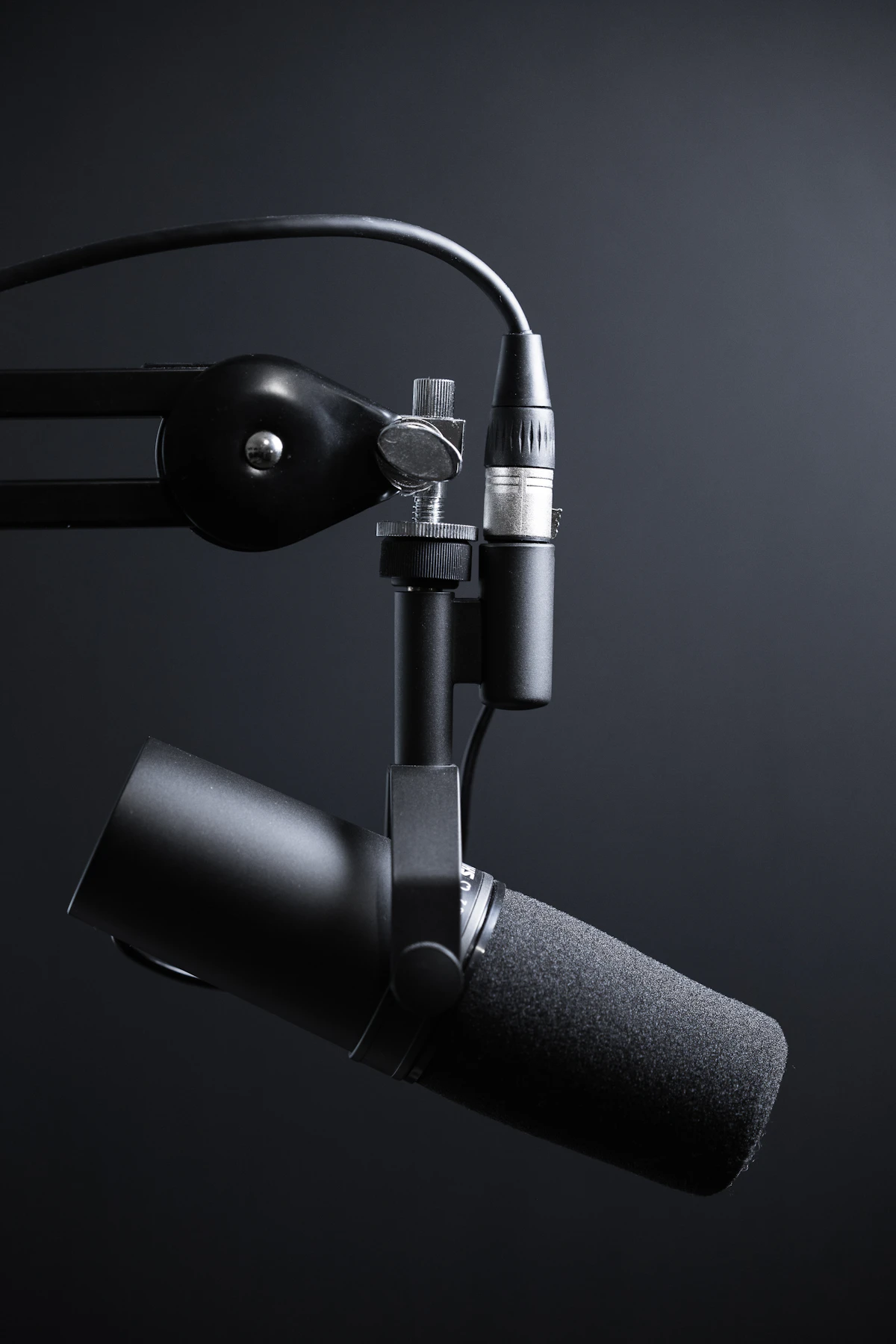
A reliable framework to review your speech without guessing.
Quick answer
Use a fixed review rubric: sound accuracy, stress, intonation, pace, and clarity. Compare one weekly benchmark recording to measure real progress.
What this changes in real life
People follow your message without extra cognitive effort.
You feel more confident because your delivery is reliable under pressure.
Your practice results become visible through weekly communication metrics.
Why this matters now
How To Self-Evaluate Pronunciation With Recordings matters because modern work is voice-first. From hiring calls to customer meetings, the people who communicate clearly gain disproportionate trust and opportunity.
Most learners plateau when practice is inconsistent or disconnected from real conversations. A practical system with feedback loops creates faster, more durable improvement.
This guide focuses on sound accuracy, daily drills, intelligibility so you can translate practice time into visible communication outcomes.
Key takeaways
- Always review with a rubric, not feelings.
- Use the same benchmark prompt weekly.
- Track only 2-3 correction priorities at a time.
- Pair self-review with occasional external feedback.

Step-by-step implementation playbook
Step 1
Create a 90-second benchmark script from your real-life speaking needs.
Why this step works: This step improves listening precision first, so your speaking target is clear before speed increases.
Step 2
Record it weekly in one take.
Why this step works: This step builds motor consistency and reduces fallback into old pronunciation habits.
Step 3
Score each take across five dimensions (1-5).
Why this step works: This step transfers the skill into realistic speaking pressure where pacing and meaning interact.
Step 4
Write concrete corrections and re-record once.
Why this step works: This step adds measurable feedback so you can adjust intentionally rather than guess.
Step 5
Keep monthly highlights to maintain motivation.
Why this step works: This step locks the habit for the next session and compounds progress over time.
Execution checklist
- Define one communication context that matters most this month.
- Run daily drills tied to that context, not random material.
- Record one weekly benchmark and review it with a fixed rubric.
- Pick one correction focus for the next seven days.
- Re-test progress in real conversation and iterate.
Implementation notes from coaches
Keep one accent target model for at least six weeks so your auditory reference stays stable.
Practice in short focused blocks, then force transfer into a real conversation within 24 hours.
Track listener outcomes weekly: repeat requests, confidence in meetings, and clarity under time pressure.
Further resources
Common mistakes to avoid
- Reviewing randomly with no consistent benchmark.
- Trying to fix too many issues in one week.
- Ignoring improvements and focusing only on errors.
- Comparing to unrealistic native-level expectations.
Frequently asked questions
How often should I record myself?
Daily short clips plus one weekly benchmark gives the best feedback loop.
What if I hate my recorded voice?
That is common. Focus on objective metrics and progress trends, not first impressions.
Can apps replace self-review?
Apps help, but your own structured review still improves awareness and control.
Join the waitlist
If you want structured accent coaching, daily speaking drills, and measurable outcomes, join the Voxify waitlist.
Join waitlist